

2026 Post-Harvest Update: Russian River Valley
As our attention shifts from harvesting grapes to caring for the young wines, it’s a good time to reflect on the 2026 season in the Russian River Valley. An unusually early start and a lighter crop in some vineyards were two of the year’s defining features.
Harvest began in some Russian River Valley vineyards as early as mid-July, helping make this one of Sonoma County’s earliest starts in decades. Warm March temperatures had pushed vine development ahead, with some vineyards tracking about three weeks ahead of last year.
Cool, windy, and rainy weather during bloom affected grape set in many Sonoma County vineyards, reducing the number of grapes the vines carried into summer. Moderate temperatures through midsummer helped supported vine growth and the vines developed very healthy canopies and a smaller number of berries, grape maturation was sped up considerably. We saw this mostly in Pinot Noir.
Then heading into August we had a welcome period of cooler, foggy weather that slowed ripening and gave the grapes some much needed hang time to develop aromas and flavors as they finally got the chance to enjoy some beautiful Sonoma County weather.
 Here is a beautiful Russian River Valley chardonnay cluster ready to harvest, If only you taste these berries!
A season like this reinforces the importance of looking beyond the calendar. With so much variation between sites, sampling the grapes, tracking acidity and sugar levels, and walking the vineyards were especially important this year. Small shifts in the weather made picking decisions less straightforward and called for close attention to each vineyard. Through it all, the quality of the grapes looked excellent. Some years, the vines set their own pace, and it’s our job to listen.
From Grapes to Young Wines
Our post-harvest work centers on guiding fermentations to completion, tasting individual lots, and making decisions about settling and aging. Each lot develops at its own pace, and regular tasting helps us understand how aroma, flavor, and texture are coming together.
 Delicious Mendocino County Vermentino grapes being loaded into the press.
As fermentation finishes, the wines enter their élevage—the period of development between fermentation and bottling. This is a patient stage of winemaking, when careful observation and small decisions can shape how each wine develops.
For some wines, time on the fine lees, the yeast sediment remaining after fermentation, can help build texture and roundness. For wines destined for barrel, my background as a cooper gives me a particular appreciation for how barrel selection and time in wood can support the grapes’ character and add complexity.
Looking Ahead
My goal for the 2026 wines is balance: expressive flavor, freshness, and an elegant texture that brings everything together. Over the coming months, we’ll continue following each lot as its individual character develops and begin considering how the wines might come together in our final blends.
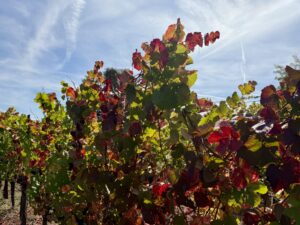 Walking the vineyard during this time of year is a wonderful experience. You are greeted with vine leaves changing colors, the vineyard canopies are fields of red, yellow, and green prior to leaf fall.
This harvest has been another reminder of the care that goes into every bottle. From the crews tending and picking the grapes to the team guiding the wines in the cellar, each stage depends on people paying attention and working together.
I’m proud of our team’s dedication and excited to follow the next chapter of the 2026 vintage. The grapes have brought us to this point; now comes the rewarding work of helping the young wines develop and seeing them reach their full potential. I can’t wait to share the wines from this exciting vintage with you!
On behalf of the entire team here at River Road Family Vineyards and Winery, we wish you all continued good health!
